Human Interfaces · Research
Archival EEG Study
Analysis of 15-year-old EEG data investigating the implicit neurological effects of emotional stimuli — in collaboration with UVA School of Medicine's Division of Perceptual Studies.
The Study
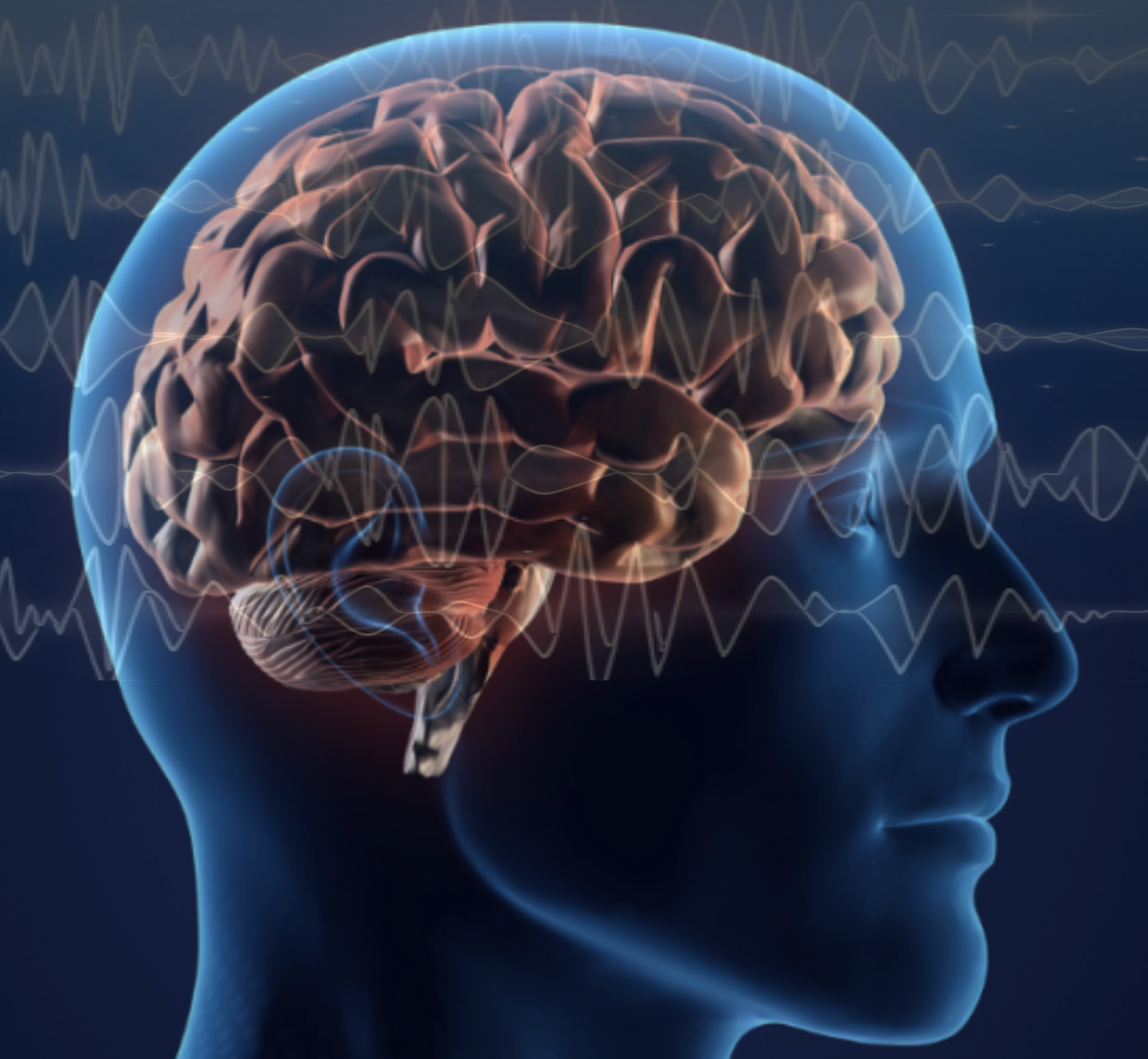
Electroencephalography (EEG) measures electrical activity in the brain through electrodes placed on the scalp. Unlike behavioral measures, EEG captures neural responses at millisecond resolution — making it well suited for studying fast, implicit responses that precede or occur alongside conscious awareness.
This project analyzed a 15-year-old archival EEG dataset, investigating whether emotional stimuli produce detectable neurological responses before stimulus onset — a prestimulus effect. Identifying such signals could help determine whether implicit intuition is a measurable phenomenon.
My Contribution
Working as a volunteer research assistant, I contributed to the analysis pipeline: processing the archival EEG signals, applying appropriate filtering and artifact rejection methods, and extracting event-related potentials (ERPs) and other time-frequency features relevant to the study's hypotheses.
Archival data analysis presents specific methodological challenges — equipment, recording standards, and preprocessing conventions from 15 years ago differ from current practice, requiring careful interpretation and sometimes adaptation of analysis methods.