Human Interfaces · Chemistry · Research
Fluorescent Probe for Alzheimer's Detection
Synthesis and testing of fluorescent molecule candidates as probes for reactive oxygen species (ROS) — with applications in early detection of Alzheimer's disease.
Reactive Oxygen Species & Alzheimer's
Reactive oxygen species (ROS) are chemically reactive molecules containing oxygen — produced naturally by cells but capable of causing significant cellular damage when present in excess. Elevated ROS levels are implicated in neurodegeneration, and are associated with the progression of Alzheimer's disease.
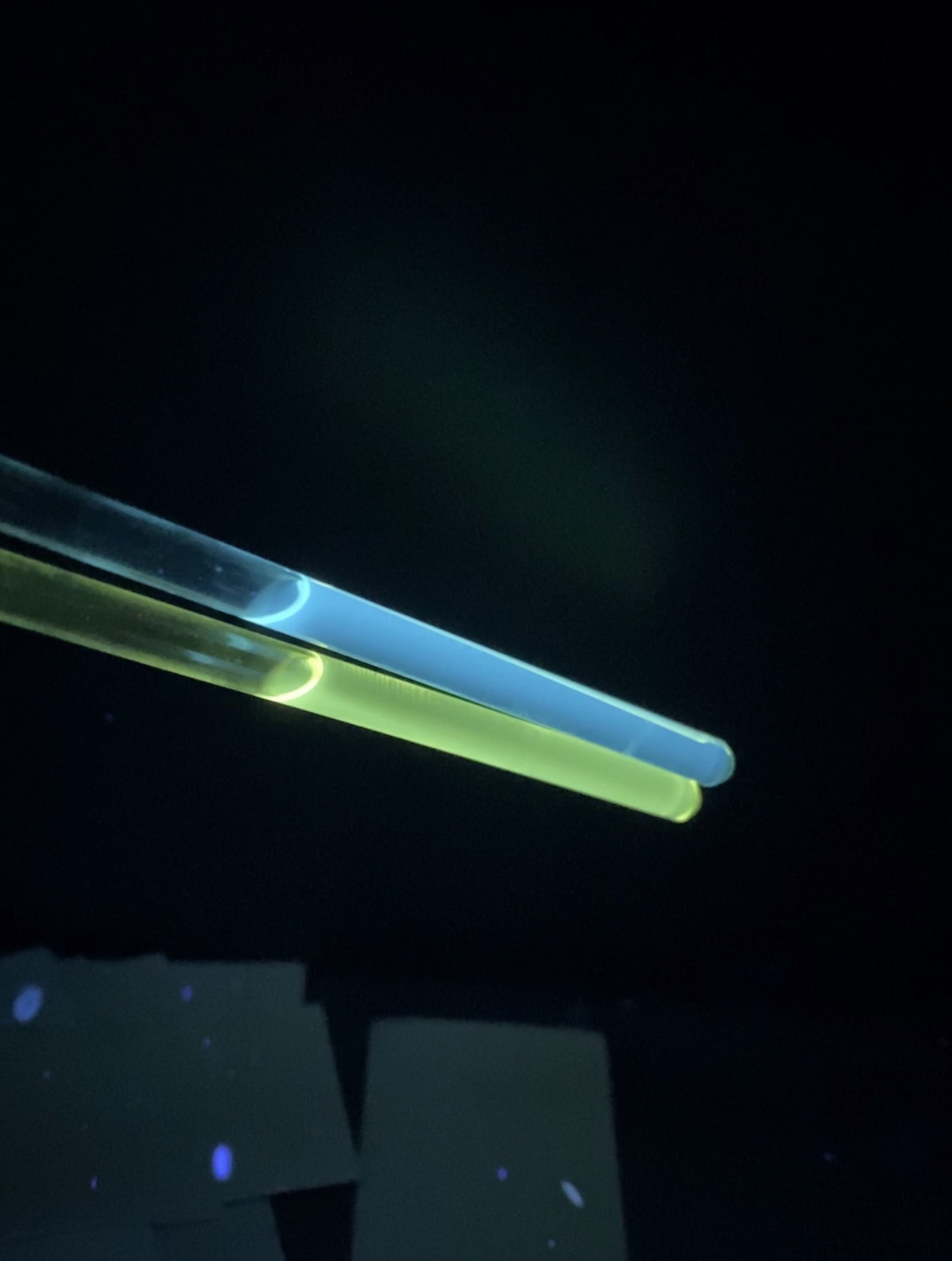
A fluorescent probe that selectively responds to specific ROS would allow researchers — and eventually clinicians — to detect and image these species in biological samples. The probe would emit light of a characteristic wavelength upon encountering the target ROS, providing a readable, quantifiable signal.
Synthesis & Testing
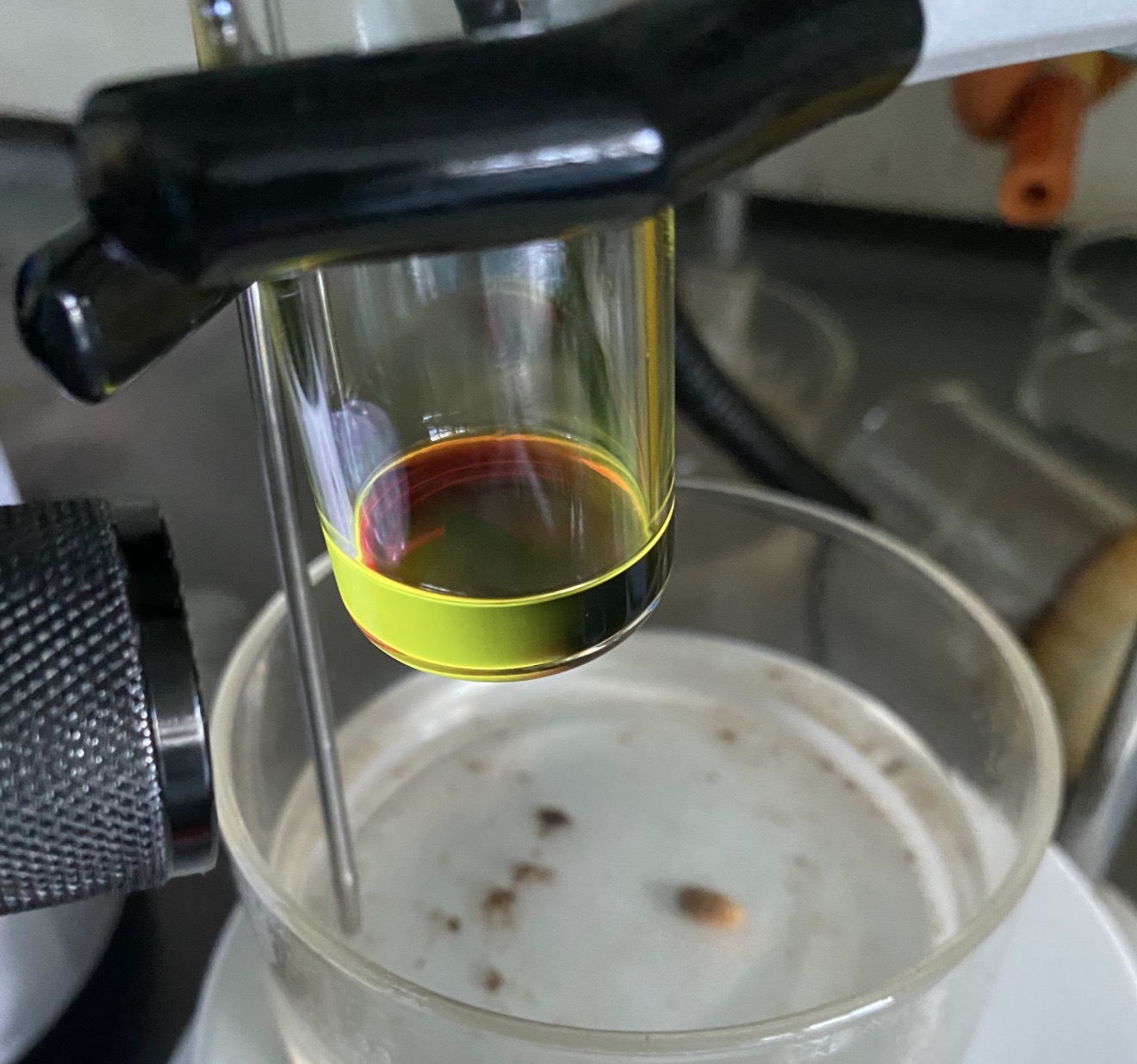
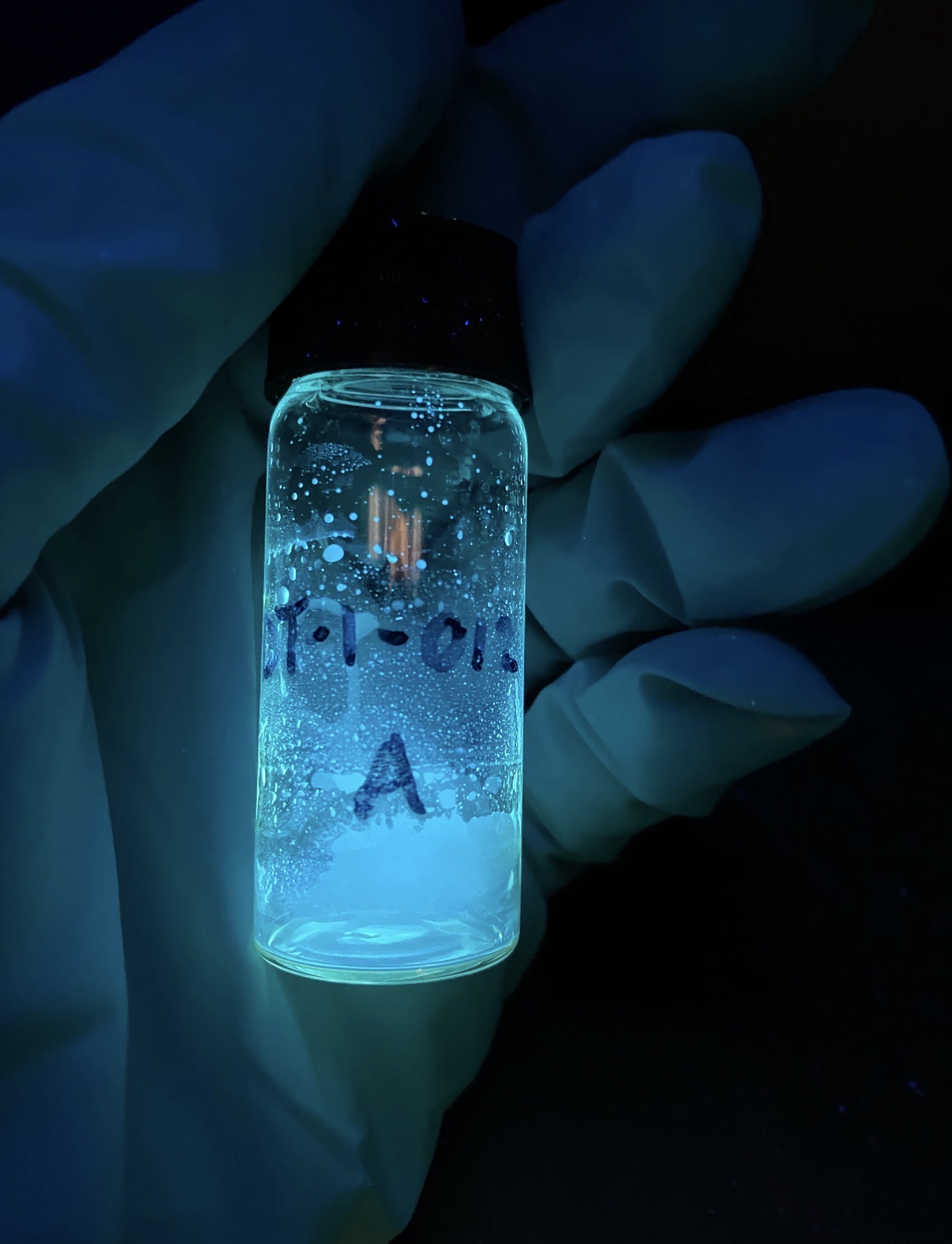
Working in the Edkins Lab, I synthesized and characterized multiple fluorescent molecule candidates — evaluating their photophysical properties (absorption and emission spectra, structures) and their selectivity for specific ROS over other reactive species.
This work spans organic synthesis, analytical chemistry, and spectroscopy — reflecting the broad materials and measurement toolkit required for probe development.