Materials Engineering · Startup
Kaio Labs
A startup turning CO₂ into higher-value chemicals using electrochemistry, laboratory automation, and ML-optimized workflows.
01
Electrochemistry
Electrochemical reactors convert CO₂ feedstock into higher-value chemical products, building on years of prior research in the Bocarsly lab at Princeton.
02
Automation
Laboratory automation dramatically accelerates the experimental cycle, allowing rapid iteration across catalyst compositions, deposition methods, and reaction conditions.
03
ML Optimization
Machine learning models are trained on experimental data to identify optimal process parameters and predict high-performing catalyst candidates — closing the loop between experimentation and insight.
The Problem
CO₂ is abundant, cheap, and a contributor to climate change. The challenge is converting it selectively and efficiently into specific useful products — fuels, chemical feedstocks, intermediates — rather than a mixture of outputs. This selectivity and efficiency problem is both a materials science challenge (what catalyst?) and a process engineering challenge (what conditions?).
My Role
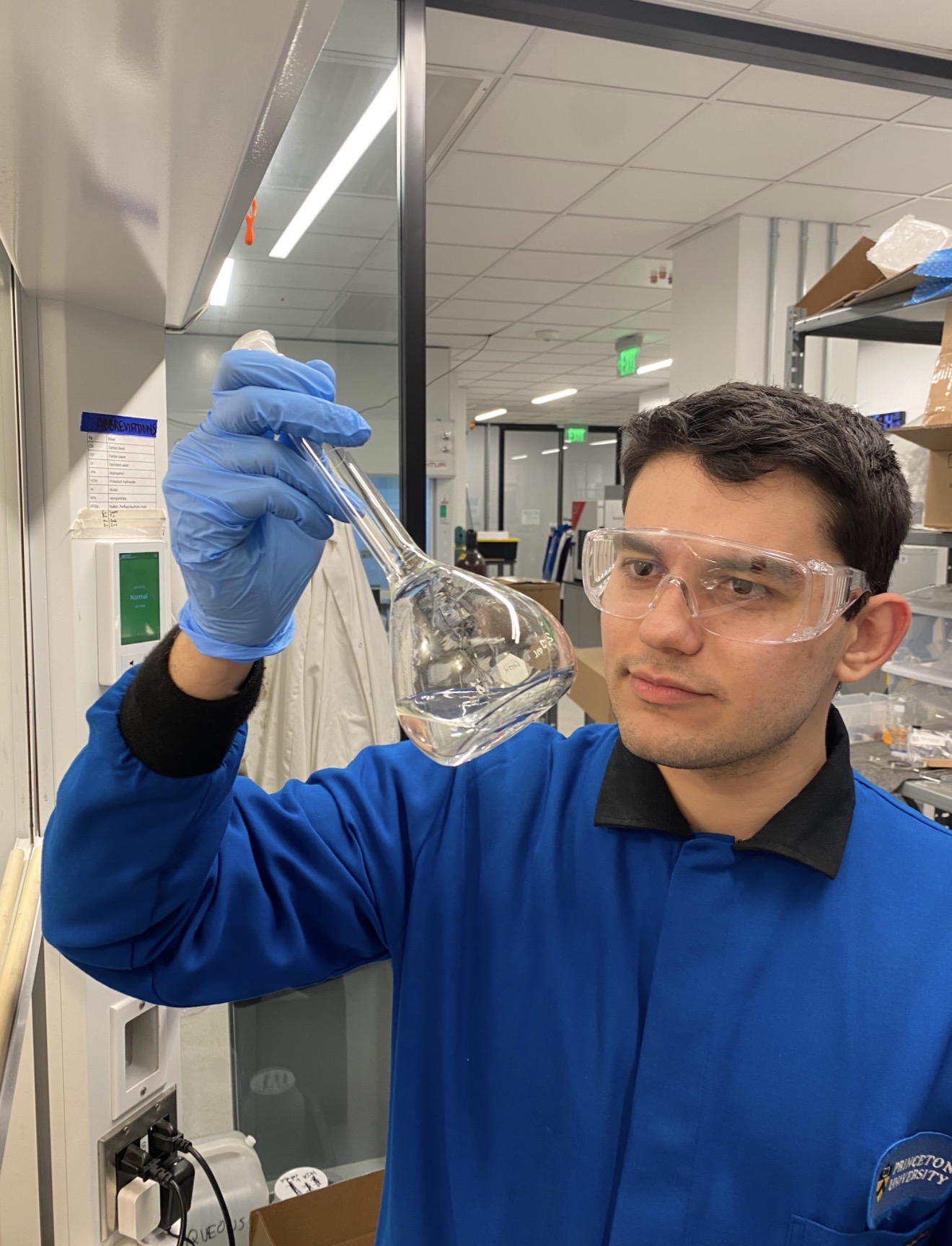
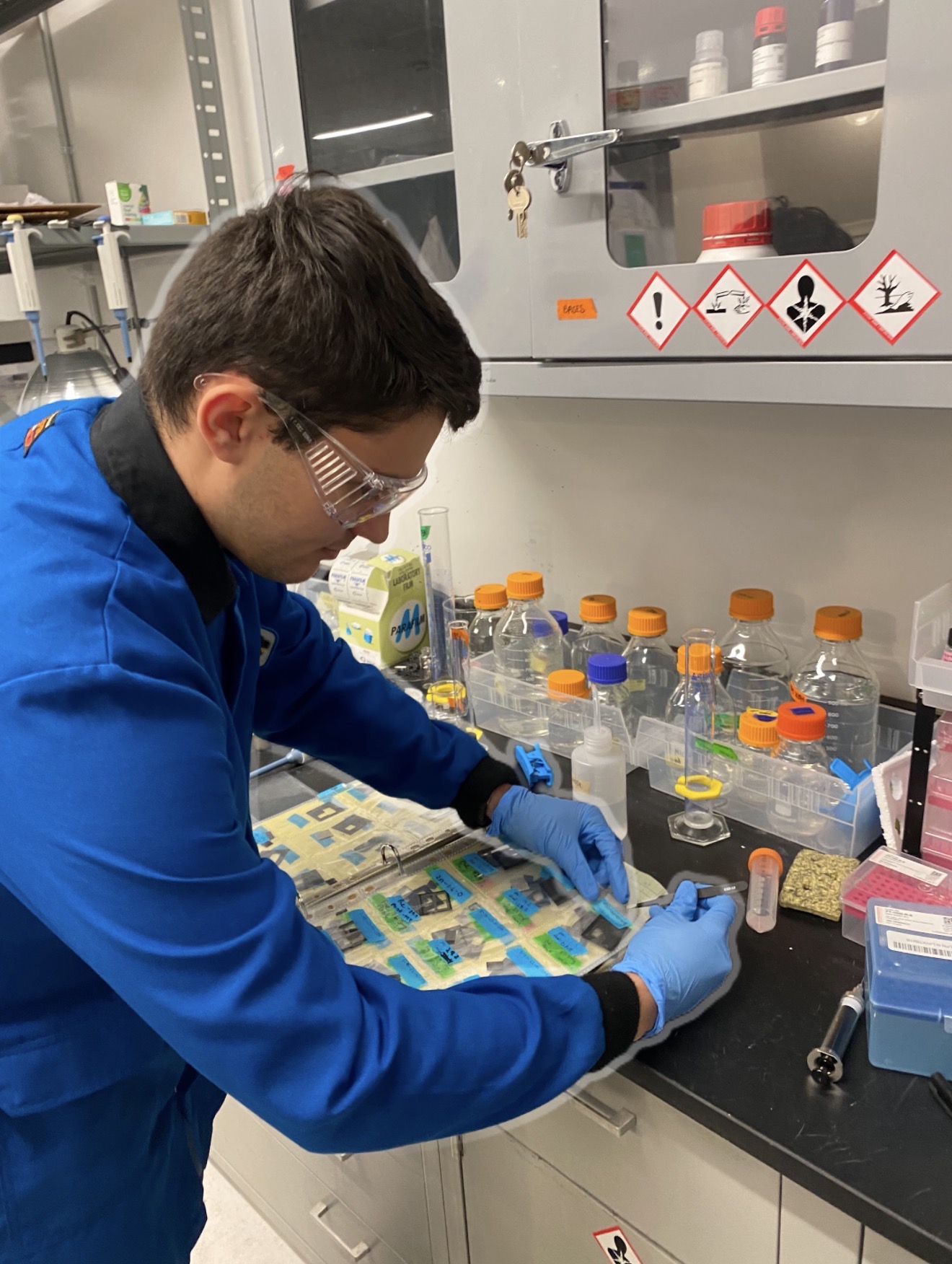
As Head Materials Engineer, I led the materials side of the stack — synthesizing and characterizing electrode catalysts, developing deposition methods, and contributing to the experimental design pipeline that feds our ML workflows. This work built directly on my undergraduate research in Princeton's Bocarsly lab, where I developed pool casting as a new deposition method for scaling metal oxide electrodes to carbon paper substrates.
TechCrunch Disrupt 2025
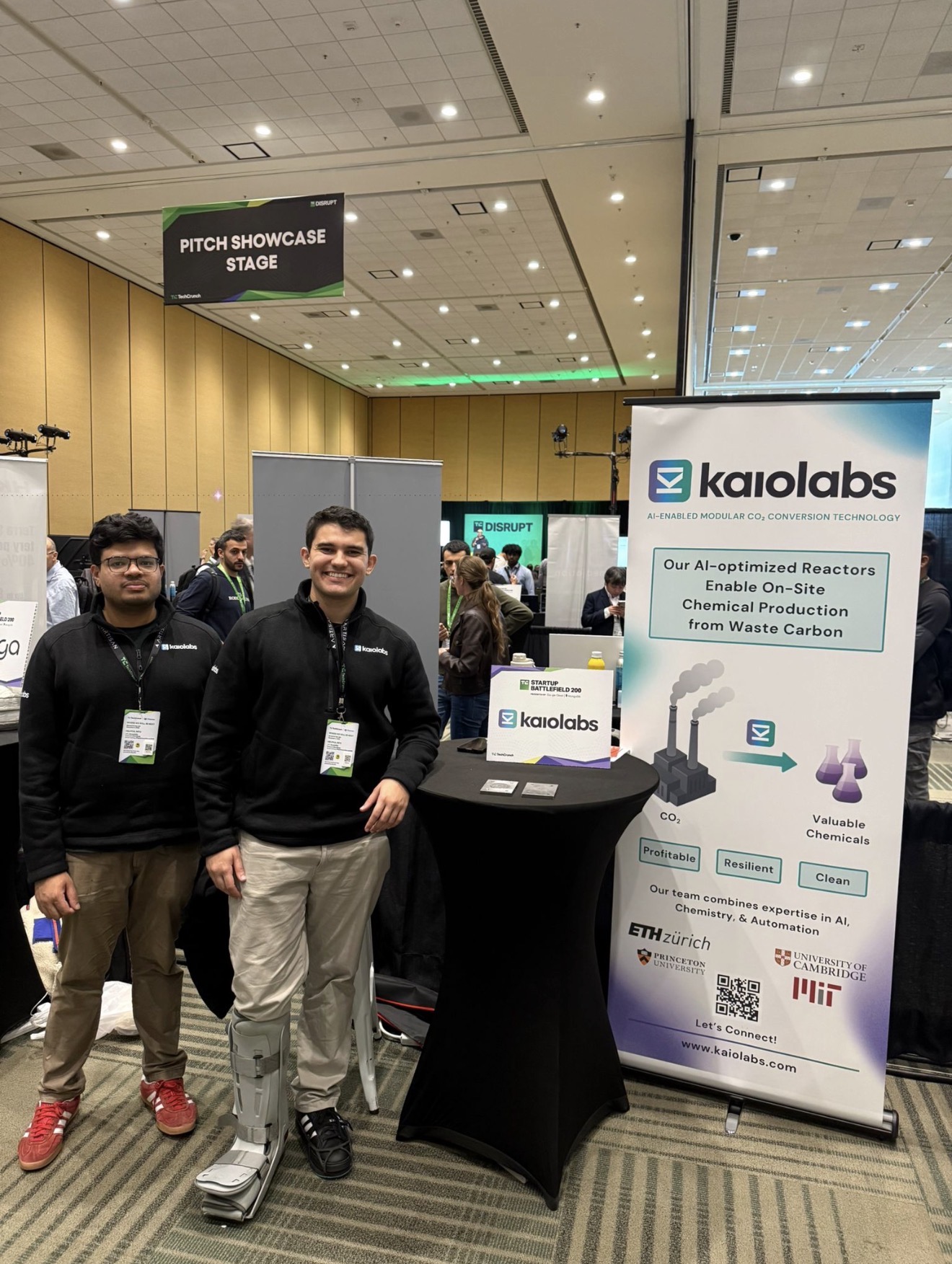
Kaio Labs was selected for the Startup Battlefield 200 at TechCrunch Disrupt 2025 — a competitive program for early-stage startups judged by industry leaders and investors.